Case Study (1) : Reimagining the Digital Atelier for Agnes Nordenholz
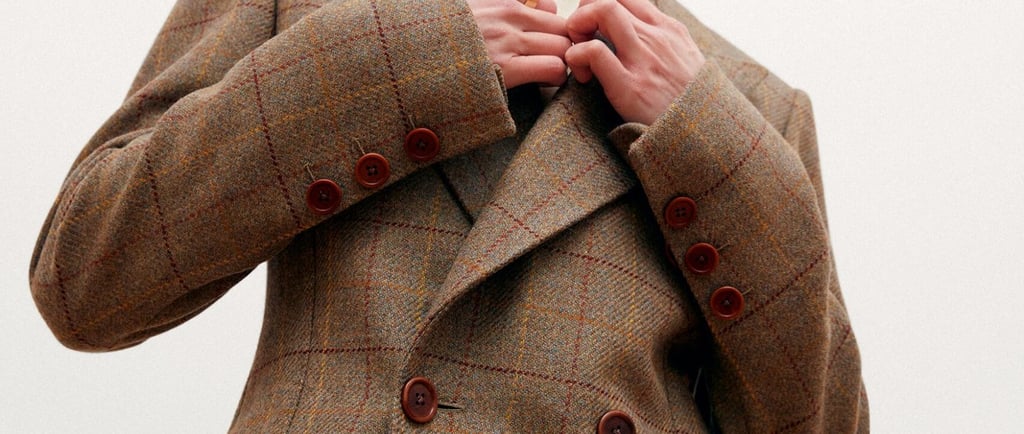
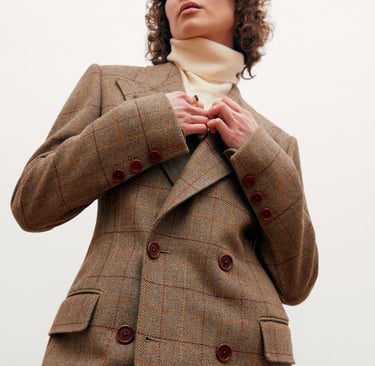
Agnes Nordenholz is the epitome of "Slow Luxury." Based in Berlin, the brand is rooted in heritage, utilizing materials like free-grazing sheep fur, loden, and vegetable-tanned leather.
Zoé Adam
2/17/20262 min read
The Vision
Agnes Nordenholz is the epitome of "Slow Luxury." Based in Berlin, the brand is rooted in heritage, utilizing materials like free-grazing sheep fur, loden, and vegetable-tanned leather. However, there is a profound "Experience Gap" between their €1,500 artisanal handbags and their current digital storefront.
My objective was to architect a digital experience that feels less like a "website" and more like an extension of their Berlin Atelier—raw, brutalist, and uncompromisingly premium.
1. The Problem: The "Standard Template" Trap
Currently, the brand uses a traditional e-commerce structure that feels "noisy." For a label inspired by the Japanese philosophy of Wabi-Sabi (beauty in imperfection and simplicity), a cluttered, generic UI is a brand contradiction.
The Issue: The current interface relies on standard grids that dilute the "soul" of the products.
The Commercial Risk: High-net-worth customers seeking "Silent Luxury" are often deterred by digital experiences that feel "cheap" or technologically dated.
2. The Solution: Brutalist Minimalist Architecture
I redesigned the Agnes Nordenholz experience using a Brutalist Design Language. This isn't just an aesthetic choice; it's a strategic one.
Raw Typography & Bold Grids: By stripping away unnecessary "fluff" (shadows, gradients, standard buttons), the focus shifts entirely to the texture of the products.
The "Editorial" Flow: The 6-page prototype replaces the "Shop" feel with a "Gallery" feel. Each product—like the signature Hunter Bag—is treated as a piece of art, with ample white space to allow the "soul" of the material to breathe.
3. The Technical Edge: The "Inventory Mirror" System
Luxury brands often struggle with "Out of Stock" labels, which kill momentum. To solve this, I integrated my proprietary Partner-Linked Inventory Logic into the backend.
The Mechanism: The site doesn't just show a "Sold Out" sign. It uses a live API sync to monitor stock across high-end retail partners.
The Rotation: When internal stock hits a "Critical Low" (e.g., 2 units), the "Add to Cart" button automatically pivots to a Partner Referral Engine.
The Win: The brand retains the customer, the partner gets the sale, and the "Luxury Trust" remains unbroken.
4. Modernizing the Heritage (The Gen-Z Pivot)
To capture the next generation of collectors, I optimized the layout for High-Intent Mobile Discovery.
Vertical Storytelling: Integrating a TikTok-style "Process Video" layer into the product pages. This allows the customer to see the hands in the Berlin studio actually stitching the leather.
Anti-Design UX: Moving away from "Buy Now" pressure and moving toward "Discover the Story." This aligns with the brand’s mission to "resist the fast-moving society of our time."
Technical Stack & Performance
Frontend: Built with React and Vite for sub-second page transitions, ensuring the "Slow Luxury" doesn't mean a "Slow Website."
Architecture: Component-based design allowing for rapid scaling of the "Made to Measure" and "Interior" categories.
Accessibility: High-contrast, stripped-back CSS that prioritizes readability and high-resolution image rendering.
The Conclusion: Crafting Code like Leather
A brand named after a grandmother’s maiden name deserves a digital home built with the same longevity as its products. This redesign isn't about "fixing" a website; it's about building a digital legacy that matches the physical one.
View the Functional Prototype https://adamzoe-c.github.io/Agnes-Nordenholz-/
